
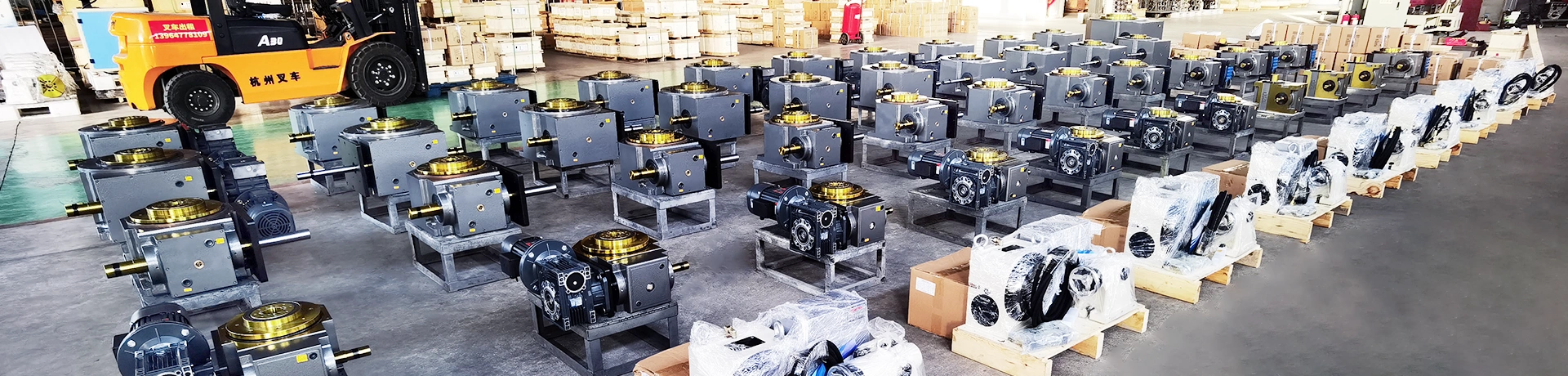
Unlocking Efficiency: The Wonders of the Parallel Model Cam Indexer
Release time:
2025-09-13
Introduction to the Parallel Model Cam Indexer
Ever wondered how some industries seem to operate like well-oiled machines? Enter the Parallel Model Cam indexer, a game-changing piece of equipment that's all about precision, efficiency, and, let's face it, a bit of mechanical magic. This nifty device is transforming how manufacturers approach their production lines, and it's high time we dive into the nitty-gritty of what makes it tick!
What Is a Parallel Model Cam Indexer?
So, what exactly is this Parallel Model Cam indexer? In simple terms, it's a rotational device that allows for indexed movement, enabling quick and accurate positioning of parts within a machine. Picture this: you have a series of operations that need to be carried out in a specific order, and this indexer ensures that everything falls into place, like pieces of a jigsaw puzzle. Cool, right?
Why Use a Parallel Model Cam Indexer?
Let's not beat around the bush—using a Parallel Model Cam indexer can be a total game changer. Here's why:
- Increased Speed: With rapid positioning capabilities, manufacturers can crank out products faster than ever.
- Improved Accuracy: Say goodbye to human error! This device ensures that every part is in the right place, every time.
- Versatility: From automotive to electronics, the applications are endless. You name it, and it can probably be indexed!
Industries Benefiting from the Parallel Model Cam Indexer
Let's take a stroll through the various sectors that have embraced the Parallel Model Cam indexer. You'll be surprised at how widespread its applications are:
1. Automotive
In the automotive industry, the need for speed and precision is paramount. The indexer helps in assembling components like gearboxes and chassis with remarkable efficiency.
2. Electronics
From smartphones to circuit boards, electronics manufacturing relies heavily on accurate indexing to ensure that every piece is perfectly aligned.
3. Packaging
Speeding up the packaging line? You guessed it! The indexer ensures that products are packaged efficiently and correctly, reducing waste and increasing throughput.
How Does It Work?
Now, let's peel back the layers. The inner workings of a Parallel Model Cam indexer are fascinating. It typically consists of a cam, a follower, and a series of indexing arms. When the cam rotates, it pushes the follower, which in turn moves the arms into the desired position. It's all about converting rotational motion into linear movement—a true marvel of engineering!
Choosing the Right Model for Your Needs
Not all indexers are created equal, folks! When selecting a Parallel Model Cam indexer for your operation, consider:
- Load Capacity: Ensure it can handle your production demands.
- Speed: Match the indexer's speed with your operational requirements.
- Space Constraints: Make sure it fits into your existing setup easily.
The Future of Indexing Technology
As we look ahead, the future of Parallel Model Cam indexers seems bright. With advancements in technology, we can expect even greater precision, speed, and adaptability. The integration of AI and machine learning could revolutionize how these devices operate, allowing for real-time adjustments and enhancements.
Conclusion
So there you have it! The Parallel Model Cam indexer is not just a mechanical device; it's a powerful tool that's reshaping industries. Whether you're in automotive, electronics, or packaging, embracing this technology could be the key to unlocking new levels of efficiency and productivity. Don't get left behind—step into the future of manufacturing today!
recommend Content
Share

Manufacturer of rotary table and cam indexer
Zhucheng HonePan Automation Machinery Plant.
Fax:+86-536-6329789
Zhucheng HonePan Automation Machinery Plant.
No.8 Hone Pan Road Zhen Xi Industrial Park Huanghua Town Zhu Cheng City Shandong Province, China.

Follow Us