
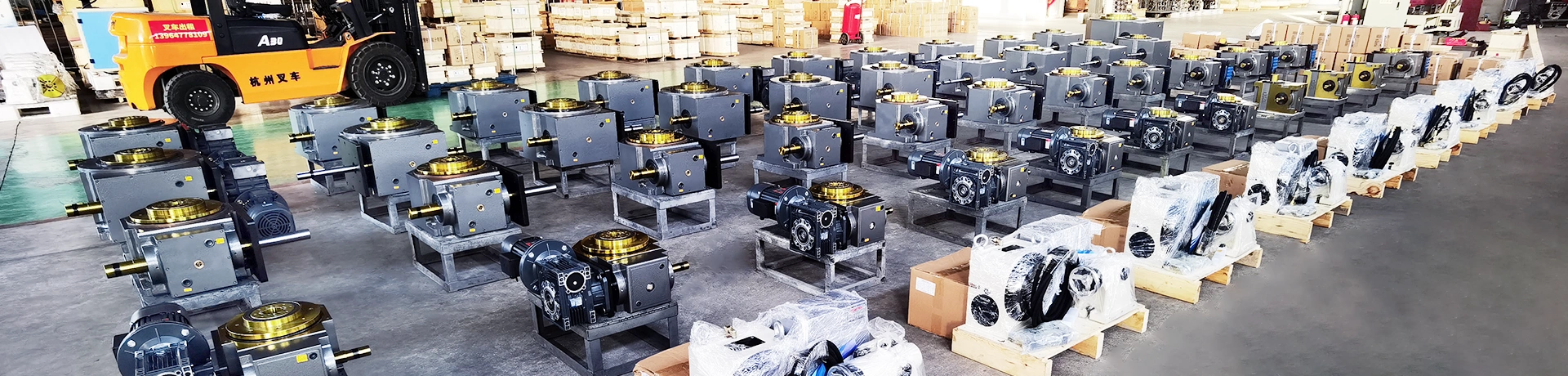
Navigating the Intricacies of the Parallel Model Cam Indexer: Tips & Tricks
Release time:
2025-09-18
Understanding the Parallel Model Cam Indexer
Hey there, fellow engineering enthusiasts! If you've ever dabbled in automation or precision machinery, you might have come across the Parallel Model Cam indexer. This nifty device is like the unsung hero of many mechanical applications, providing smooth and efficient rotational movement. But before you dive into using one, there are some crucial points to keep in mind. Let's break it down!
What's the Big Deal?
First off, let's get on the same page. The Parallel Model Cam indexer is a mechanism designed for indexing applications, allowing for precise angular positioning. Whether you're working on an assembly line or setting up a CNC machine, understanding how this device works can save you time and headaches down the road.
Key Considerations Before You Start
Alright, so you're excited about the possibilities. But before you rush in, here are some essential considerations:
1. Load Capacity
First things first, you gotta know the load capacity of your Parallel Model Cam indexer. Overloading it can lead to catastrophic failures, and nobody wants that! Always check the specifications to ensure it aligns with your project needs.
2. Lubrication Matters
Uh-oh! Forgetting to lubricate the indexer can lead to some serious wear and tear. Regular maintenance checks, including lubrication, are essential to keep everything running smoothly. It's like oiling a squeaky door—keep it moving, and it'll last longer!
3. Alignment is Key
Now, let's talk about alignment. If your indexer isn't properly aligned with the attached components, you might end up with miscalculations in movement. Take the time to set it up right; it's worth it in the long run!
Installation Tips
So, you've got your Parallel Model Cam indexer in hand. What's next? Here are some tips to make installation a breeze:
1. Read the Manual!
This might sound cliché, but reading the manual is crucial. It's your roadmap to successful installation. Plus, you'll avoid the dreaded trial-and-error phase!
2. Use the Right Tools
Don't skimp on tools! Using the proper equipment can make a world of difference in installation. Think of it like trying to bake without measuring cups—good luck with that!
3. Double-Check Connections
Before you power things up, double-check all connections. Loose connections can lead to malfunction, and trust me, you don't want to go down that rabbit hole.
Troubleshooting Common Issues
Even the best of us run into hiccups. Here's a quick troubleshooting guide for when things go awry:
1. Unexpected Jumps
If your indexer is jumping positions unexpectedly, it may be a sign of misalignment or inadequate lubrication. Check both and adjust as necessary.
2. No Movement
When the indexer doesn't budge, it could be due to power issues or a jam. Ensure everything is connected and clear any obstructions.
Conclusion: Embrace the Power of Precision
In conclusion, the Parallel Model Cam indexer is a fantastic tool for those seeking precision and efficiency in their mechanical endeavors. By keeping these considerations in mind and following best practices, you'll be well on your way to mastering this incredible device. Remember, a little preparation goes a long way!
So, roll up your sleeves, get your hands dirty, and let the world of indexing take your projects to new heights. Happy indexing!
recommend Content
Share

Manufacturer of rotary table and cam indexer
Zhucheng HonePan Automation Machinery Plant.
Fax:+86-536-6329789
Zhucheng HonePan Automation Machinery Plant.
No.8 Hone Pan Road Zhen Xi Industrial Park Huanghua Town Zhu Cheng City Shandong Province, China.

Follow Us