
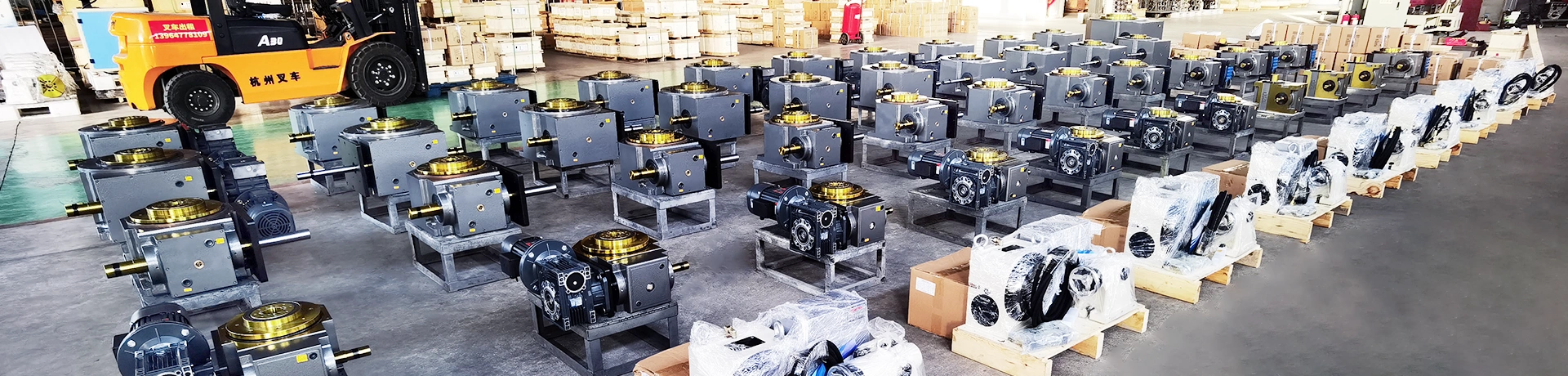
Revolutionizing Precision: The Impact of Horizontal Rotary Tables in Modern Industry
Release time:
2025-11-12
Introduction: Turning the Tables
Ever wondered how some industries seem to have a secret weapon that gives them an edge? Well, let me tell you, the Horizontal Rotary Table is that game-changer! This nifty piece of machinery has been making waves across various sectors, from aerospace to automotive. Buckle up as we delve into the world of Horizontal Rotary Tables and their dynamic impact on modern manufacturing.
Understanding the Horizontal Rotary Table
So, what exactly is this Horizontal Rotary Table? In layman's terms, it's a circular platform that rotates horizontally, allowing for the precise machining of parts. Think of it as a turntable for your favorite records, but instead of music, it plays a symphony of engineering precision! With its ability to hold multiple workpieces, this tool can enhance productivity significantly.
Why Industries are Flocking to Horizontal Rotary Tables
Now, you might be asking, "Why all the fuss?" Well, here's the scoop: Horizontal Rotary Tables offer unparalleled versatility. They're not just for one type of work; they can handle various tasks, from milling to drilling and even grinding! This flexibility means that companies can streamline operations without investing in a whole arsenal of machines. Talk about efficiency!
Precision Engineering: The Name of the Game
In the world of manufacturing, precision is king. A slight miscalculation can lead to costly errors. Enter the Horizontal Rotary Table, designed with precision in mind. These tables feature advanced technology that ensures accurate positioning, allowing engineers to achieve tight tolerances. Imagine working on a complex aerospace component, where every millimeter counts — this tool is a lifesaver!
The Evolution of Horizontal Rotary Tables
Let's take a quick stroll down history lane. The concept of rotary tables isn't new; they've been around for decades. However, the Horizontal Rotary Table has evolved with technology. With the introduction of computer numerical control (CNC), these tables have become smarter and more efficient. The integration of automation means that manufacturers can operate with minimal human intervention, leading to faster production times and reduced labor costs. What a win-win!
Real-World Applications
Alright, let's get real. Where are we actually seeing Horizontal Rotary Tables in action? From manufacturing intricate parts for jet engines to crafting beautifully designed automotive components, these tables are everywhere! They're also gaining traction in the medical device industry, where precision is non-negotiable. It's clear that the Horizontal Rotary Table is not just a trend but a staple in high-tech manufacturing.
Challenges and Considerations
Now, it's not all sunshine and rainbows. While Horizontal Rotary Tables offer numerous benefits, they come with their own set of challenges. For one, the initial investment can be steep. Plus, operators must be adequately trained to harness their full potential. But, hey, nothing worth having comes easy, right?
The Future of Horizontal Rotary Tables
As we look to the future, it's exciting to think about where Horizontal Rotary Tables will go next. With the rise of smart factories and Industry 4.0, we can expect even more integration with robotics and IoT. Imagine a world where these tables can communicate with other machines in real-time, optimizing production processes like never before. The possibilities are endless!
Conclusion: A Circular Revolution
In conclusion, the Horizontal Rotary Table is more than just a piece of equipment; it's a revolution in how industries approach precision manufacturing. With its ability to enhance efficiency, improve quality, and adapt to various tasks, it's no wonder that this tool is becoming a mainstay in factories around the globe. So, next time you hear about a Horizontal Rotary Table, remember — it's not just turning parts; it's turning the tide in modern industry!
recommend Content
Share

Manufacturer of rotary table and cam indexer
Zhucheng HonePan Automation Machinery Plant.
Fax:+86-536-6329789
Zhucheng HonePan Automation Machinery Plant.
No.8 Hone Pan Road Zhen Xi Industrial Park Huanghua Town Zhu Cheng City Shandong Province, China.

Follow Us