
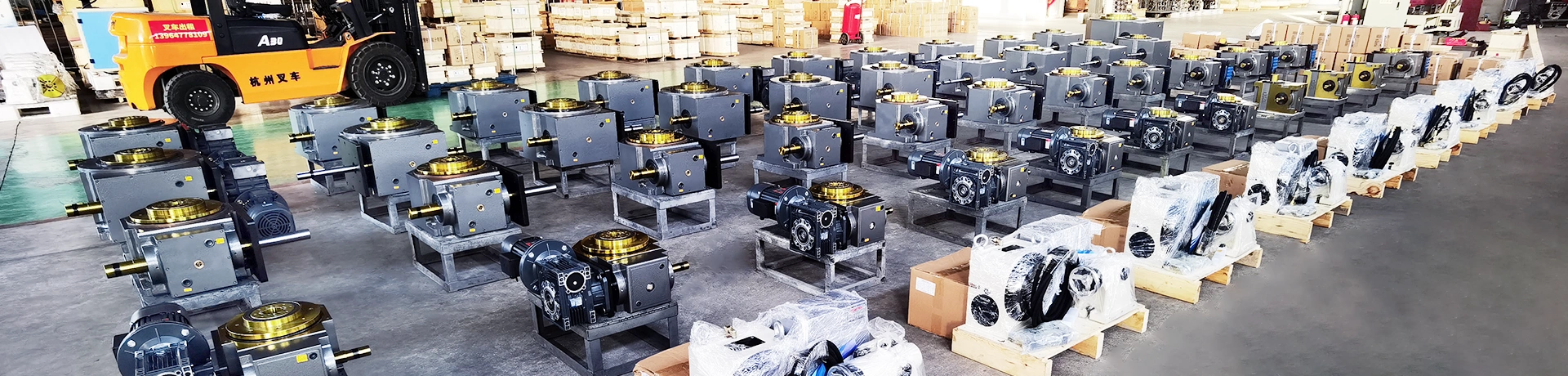
Demystifying the Horizontal Rotary Table: Your Go-To Guide for Common Questions
Release time:
2025-11-17
Introduction to the Horizontal Rotary Table
Ever wondered about the marvels of machining? Well, let's dive into the world of the Horizontal Rotary Table! This nifty tool has made its mark in various industries, and it's about time we unravel some common queries surrounding it. Stick around as we explore everything from its functionality to its benefits!
What Exactly Is a Horizontal Rotary Table?
Picture this: a circular platform that spins around a horizontal axis, allowing you to position your workpiece at different angles. That's the beauty of the Horizontal Rotary Table! It's primarily used for milling and drilling operations, enhancing precision and efficiency. But hey, that's just the tip of the iceberg!
How Does a Horizontal Rotary Table Work?
Okay, so here's where it gets interesting. When you mount your workpiece onto the table, you can rotate it as needed while your cutting tool remains stationary. This setup allows for intricate designs and multiple sides to be worked on in one go. Talk about a time-saver! Plus, many tables include features for tilting, providing even more versatility.
Common Questions About the Horizontal Rotary Table
Let's tackle some frequently asked questions. You know, the ones that keep folks scratching their heads!
1. What materials can I use with a Horizontal Rotary Table?
In short, just about anything! Whether you're working with metals, plastics, or wood, the Horizontal Rotary Table has got you covered. Just make sure to choose the right tooling for your specific material to avoid any mishaps!
2. Can I use a Horizontal Rotary Table for CNC machining?
Absolutely! In fact, many CNC machines are designed to accommodate these tables. They enhance the capabilities of your machine, allowing for complex shapes and designs without the hassle of repositioning your workpiece manually.
3. How do I maintain my Horizontal Rotary Table?
Ah, maintenance! A vital part of keeping your equipment in tip-top shape. Regularly clean the table to remove debris, and lubricate moving parts as recommended by the manufacturer. A little TLC goes a long way in prolonging the life of your rotary table.
Benefits of Using a Horizontal Rotary Table
Now that we've cleared the air on some common questions, let's talk about why you should consider adding a Horizontal Rotary Table to your arsenal.
1. Enhanced Precision
With the ability to rotate your workpiece, you can achieve unparalleled accuracy. No more guesswork! Each angle can be finely tuned for the perfect cut.
2. Increased Efficiency
By milling multiple sides of a workpiece in one setup, you save time and reduce the need for re-clamping. It's a win-win!
3. Versatility
The Horizontal Rotary Table is not just for milling; you can use it for drilling, grinding, and even engraving. It's like having a Swiss Army knife in your workshop.
Final Thoughts
So there you have it, folks! The Horizontal Rotary Table is a powerhouse tool that can elevate your machining game. Whether you're a seasoned pro or just starting, understanding its functionality and benefits can make all the difference. Don't hesitate to dive deeper into this amazing tool and see how it can work wonders for you!
Got more questions? Feel free to drop them in the comments below, and let's keep this conversation rolling!
recommend Content
Share

Manufacturer of rotary table and cam indexer
Zhucheng HonePan Automation Machinery Plant.
Fax:+86-536-6329789
Zhucheng HonePan Automation Machinery Plant.
No.8 Hone Pan Road Zhen Xi Industrial Park Huanghua Town Zhu Cheng City Shandong Province, China.

Follow Us