
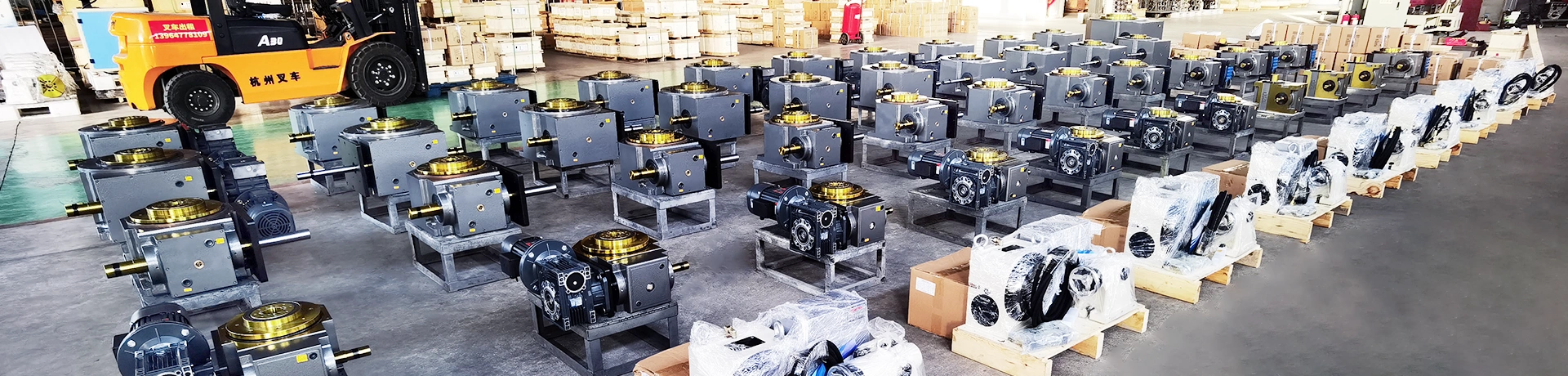
Understanding the Mechanics of a Horizontal Rotary Table
Release time:
2025-11-18
Unlocking the Mystery of the Horizontal Rotary Table
Have you ever marveled at the precision of a machining process? If so, you might have encountered a Horizontal Rotary Table in action. This nifty piece of equipment is a game-changer in many industries, from manufacturing to woodworking. But what exactly is it, and how does it work? Let's dig in!
What is a Horizontal Rotary Table?
In simple terms, a Horizontal Rotary Table is a mechanical device that allows for the rotation of workpieces along a horizontal plane. Imagine a turntable for your vinyl records—only instead of spinning tunes, it spins metal, wood, or other materials to help create intricate designs. This device is typically mounted on a milling machine, CNC machine, or even a lathe, giving operators the ability to perform complex tasks with ease.
How Does it Work?
Let's break it down! The Horizontal Rotary Table operates on a straightforward principle: it rotates a workpiece while the cutting tool remains stationary. This setup allows for multiple angles and positions to be reached without having to reposition the entire workpiece. It's like having a multi-tool in your toolbox; it saves time and enhances accuracy.
The Mechanics Behind the Magic
At its core, a Horizontal Rotary Table consists of a rotating disc that is mounted to a base. The rotation is typically powered by a motor, and the speed can be adjusted to suit the task at hand. The workpiece is secured to the table using clamps or fixtures, ensuring it doesn't budge during the cutting process.
Operators can set the table to rotate incrementally, allowing for precise cuts at various angles. This feature is particularly useful for creating complex shapes, such as gears or intricate designs that require a high degree of accuracy. Talk about a must-have for any serious workshop!
Applications Galore!
So, where can you find these amazing machines? Honestly, they're everywhere! From automotive manufacturing to aerospace engineering, the applications of a Horizontal Rotary Table are vast. Here are just a few examples:
- Precision Machining: Used for creating complex parts with high accuracy.
- Woodworking: Ideal for making intricate wooden designs, such as curved table edges.
- Metal Fabrication: Essential for fabricating parts that require multiple angles and cuts.
Why You Need One
Still on the fence about investing in a Horizontal Rotary Table? Here's the kicker: they enhance productivity. By reducing the need for multiple setups, you save time and minimize the risk of errors. Plus, the versatility of these tables means they can adapt to various projects, making them a valuable addition to any workshop.
Final Thoughts
In conclusion, the Horizontal Rotary Table is more than just a rotating platform; it's a vital tool that enhances precision and efficiency in manufacturing processes. Whether you're a seasoned machinist or a DIY enthusiast, understanding its workings can open doors to new possibilities. So, next time you see one in action, you'll know just how much magic is happening behind the scenes!
recommend Content
Share

Manufacturer of rotary table and cam indexer
Zhucheng HonePan Automation Machinery Plant.
Fax:+86-536-6329789
Zhucheng HonePan Automation Machinery Plant.
No.8 Hone Pan Road Zhen Xi Industrial Park Huanghua Town Zhu Cheng City Shandong Province, China.

Follow Us